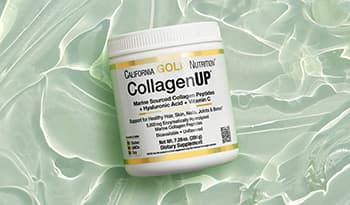
As an integrative physician and health coach, I have personally used bone broth and collagen supplements and have recommended them to my clients.
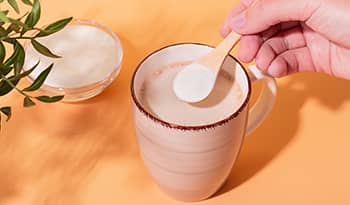
I experienced a challenging knee issue last year that impacted my mobility. Alongside physical therapy, I incorporated collagen powder into my morning coffee to support my body's natural repair processes. It provided excellent nutritional support to my joints, and today I am back to ballroom dancing.
I also like bone broth powder because it is a source of clean protein, supports healthy digestion, and helps keep joints and skin looking healthy. Bone broth is a relatively simple nutraceutical that checks several boxes in a wellness routine.
Bone broth has surged in popularity among wellness enthusiasts, and for good reason. Throughout history, bone broth has been consumed as a nourishing, comfort food. Today, bone broth powder uses this traditional wisdom to create a convenient, travel-friendly gut health supplement that fits into paleo, keto, and intermittent fasting lifestyles.
Let’s break down what bone broth powder is, the most significant bone broth benefits, how it compares to collagen and protein powders, and how to choose a clean product that supports your gut, joints, and overall wellness.
What Is Bone Broth Powder and How Is It Made?
Bone broth powder is created by simmering animal bones with connective tissues and sometimes vegetables, then dehydrating the resulting broth into a shelf-stable powder. This process concentrates nutrients, primarily collagen, amino acids (such as glycine, proline, and glutamine), and minerals (such as calcium, magnesium, and phosphorus).1,2 Here is how it is made:
Bone broth powder starts with classic liquid bone broth:1
- Animal bones (often beef or chicken)
- Cartilage and connective tissue
- Filtered water
- Optional herbs and spices
These ingredients are simmered low and slow (often for 12 to 24 hours) to extract collagen, gelatin, and minerals from the bones.
The finished liquid broth is then:
- Filtered to remove solids
- Concentrated
- Dried into a powder (usually via spray-drying or low-heat dehydration)
The result is a shelf-stable paleo protein source you can stir into hot water, smoothies, or recipes without simmering stock for long periods on the stove every week.
Many high-quality powders are:
- Made from grass-fed, pasture-raised animals or organic chicken
- Free from gluten, dairy, and soy
- Naturally low in sugar and carbs
- Designed to dissolve easily, with a neutral or savory flavor
Why Bone Broth Is Gaining Traction
Bone broth is more than just a source of protein; it also supports a healthy inflammatory response and is a clean protein. Unlike many protein powders, bone broth powder offers a unique blend of collagen, amino acids, and minerals that support cellular repair and immune function.3 The benefits of bone broth are also due to the collagen content. Bone broth contains precursors of the building blocks of collagen, allowing the body to form more connective tissue in joints and skin. These attributes work together to create the beneficial effects of bone broth:4-6
- Gut support: Provides gelatin and amino acids (like glycine and glutamine) that may help maintain a healthy gut barrier and support digestion
- Collagen: Supplies the building blocks for skin, joints, hair, nails, and connective tissues
- Joint comfort and mobility: Collagen-derived peptides have been shown in clinical trials to improve occasional joint stiffness and support mobility, especially around the knees
- Skin hydration and elasticity: Oral collagen peptides can support skin hydration, elasticity, and smoothness
- Clean, convenient protein: A protein for skin and joints that pairs well with eating patterns that support a healthy inflammatory response
Gut Health Supplement
A healthy gut and microbiome are central to overall wellness because the balance of good bacteria to harmful bacteria in our digestive system affects the rest of the body in profound ways. Bone broth contains amino acids such as glutamine and glycine, which have been shown to support intestinal barrier integrity, support a healthy inflammatory response, and improve nutrient absorption. These properties may be especially beneficial for individuals with everyday digestive challenges or those seeking to maintain optimal digestive health. Bone broth’s nutrient density makes it a compelling alternative to other gut health supplements.
For example, a recent scientific review focused specifically on bone broth nutrients and intestinal barrier integrity, suggesting these components may help support the gut lining, healthy intestinal permeability, and a balanced inflammatory response.2 In animal models, bone broth has supported a healthy inflammatory response and produced beneficial effects on gut tissue, though more human studies are still needed.7 Because of this, many people use bone broth powder as a gentle gut health supplement, often alongside:
- Anti-inflammatory diets
- Paleo or keto-style eating
- Intermittent fasting protocols (for electrolytes and hydration)
However, bone broth is not a treatment for digestive diseases. It’s best used as a supportive food as part of an overall wellness plan.
Collagen Support for Joints and Mobility
Collagen is the main structural protein in connective tissues, including cartilage, tendons, and ligaments. Supplementing with collagen-rich bone broth powder may help support joint health, reduce stiffness, and improve mobility, particularly in active individuals or those experiencing age-related joint discomfort.8 While hydrolyzed collagen supplements provide standardized doses, bone broth offers a broader spectrum of nutrients, including collagen protein and gelatin, chondroitin sulfate, and hyaluronan, which have shown promise in maintaining healthy bone density progression and supporting bone density.9,10 In summary, collagen peptides in bone broth may help:11
- Reduce joint discomfort
- Improve joint function
- Improve body composition
- Improve strength
- Allow longer pain-free exercise time in people with knee issues or age-related joint concerns
Skin Glow: Beauty from Within
Regular intake of collagen-rich foods or supplements has been associated with improved skin elasticity and hydration, as well as reduced wrinkle formation. Bone broth powder, as a natural source of collagen, can be a valuable addition to a beauty-from-within routine, supporting a radiant complexion.11 The collagen-derived amino acids in bone broth can be used to:
- Improve skin hydration
- Support elasticity
- Reduce the appearance of fine lines and roughness
Notably, these benefits are more pronounced when collagen supplementation is used regularly over a long period.6
Clean Protein
Bone broth powder provides a source of clean protein, rich in conditionally essential amino acids. While it is not a complete protein (it lacks tryptophan), it can complement other protein sources in the diet and help maintain muscle and connective tissue.12,13
For those following paleo diets, bone broth powder offers a minimally processed, allergen-friendly protein option.
Bone Broth vs. Collagen vs. Protein Powders: Key Differences
With so many products available, it’s easy to get confused. Here’s how each one compares.1-7
Bone Broth Powder
- Contains collagen, amino acids, minerals, and other bioactive compounds
- Offers a broader nutrient profile, but collagen content varies depending on preparation
- Made from slow-simmered bones and connective tissue
- Typically has a savory flavor (though some are unflavored)
- A whole-food, paleo protein option
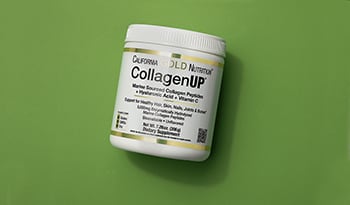
Collagen Supplements
- Typically, hydrolyzed for better absorption, providing standardized doses of collagen peptides
- Contains isolated collagen protein (usually type I, sometimes type II)
- Higher, standardized collagen protein dose per scoop
- Almost flavorless and dissolves easily into hot or cold liquids
- Focused on joint, skin, and bone health14
Protein Powders (Whey, Plant-Based)
- Designed for muscle protein synthesis, containing all essential amino acids
- Superior for muscle building, but lacks the unique connective tissue benefits of collagen12
- Often flavored and sweetened
- May contain gums, thickeners, or artificial sweeteners
How to Use Bone Broth Powder Daily
Bone broth powder is incredibly versatile. Here are easy ways to turn it into a daily wellness ritual:
1. Sipping Broth
- Add one scoop of bone broth powder to a mug
- Stir into hot water
- Season with sea salt, black pepper, turmeric, or herbs
This warm, savory drink supports a healthy inflammatory response and is low-carb.
2. Smoothies and Shakes
You can blend bone broth powder (unflavored) into smoothies to add extra protein for skin and joints without dairy or added sugar:
- 1 scoop bone broth powder
- Unsweetened almond or coconut milk
- Frozen berries or avocado
- A handful of greens
- Optional: cinnamon, ginger, or banana
This blend works exceptionally well for those who want a gut health supplement and collagen protein in the same meal.
3. Soups, Stews, and Sauces
Stir bone broth powder into:
- Homemade soups and stews
- Chili or curry
- Tomato sauce or gravy
What to Look for in a High-Quality Bone Broth Powder
While bone broth powder is generally safe, quality assurance is crucial. Some studies have raised concerns about potential lead contamination in bone broths, highlighting the importance of sourcing from reputable brands that test for heavy metals.16 Additionally, as with all supplements, look for products that are third-party tested to ensure they are free from harmful substances and accurately labeled. Here are a few qualities to look for when choosing a bone broth powder:15,16
Pasture-Raised or Grass-Fed Sources
Ensures higher nutrient density and animal welfare. Look for beef from grass-fed, pasture-raised cattle or organic, free-range chicken bones.
Low Sodium
Avoids excess salt, which can exacerbate several health conditions.
No Fillers or Additives
Choose products with minimal, recognizable ingredients. Ideally, it should contain only bones, water, and natural spices or herbs. Avoid unnecessary fillers, flavors, colors, sweeteners, or artificial flavors.
No Gluten, Dairy, or Soy (if allergic)
Supplements that support a healthy inflammatory response should avoid common allergens.
Third-Party Testing
Ensures purity and safety, reducing the risk of contaminants like heavy metals.
Bone Broth Powder: A Daily Wellness Ritual
If you want something simple to add to your day, bone broth powder is an easy option for supporting gut health, joint comfort, and skin — plus it gives you a bit of clean protein without feeling like “another supplement.” It’s a little different from standard protein or straight collagen, since bone broth has a wider mix of nutrients.
Always consult with a healthcare professional before starting any new supplement, especially if you have underlying health conditions or are pregnant or breastfeeding.
References:
- Liu D, Nikoo M, Boran G, Zhou P, Regenstein JM. Collagen and gelatin. Annu Rev Food Sci Technol. 2015;6:527-557. doi:10.1146/annurev-food-031414-111800
- Matar A, Abdelnaem N, Camilleri M. Bone Broth Benefits: How Its Nutrients Fortify Gut Barrier in Health and Disease. Dig Dis Sci. 2025;70(6):1951-1961. doi:10.1007/s10620-025-08997-x
- Holwerda AM, van Loon LJC. The impact of collagen protein ingestion on musculoskeletal connective tissue remodeling: a narrative review. Nutr Rev. 2022;80(6):1497-1514. doi:10.1093/nutrit/nuab083
- Khatri M, Naughton RJ, Clifford T, Harper LD, Corr L. The effects of collagen peptide supplementation on body composition, collagen synthesis, and recovery from joint injury and exercise: a systematic review. Amino Acids. 2021;53(10):1493-1506. doi:10.1007/s00726-021-03072-x
- Lin CR, Tsai SHL, Huang KY, Tsai PA, Chou H, Chang SH. Collagen peptides: a meta-analysis of randomized controlled trials. Journal of Orthopaedic Surgery and Research. 2023;18(1):694. doi:10.1186/s13018-023-04182-w
- Pu SY, Huang YL, Pu CM, et al. Effects of Oral Collagen for Skin Anti-Aging: A Systematic Review and Meta-Analysis. Nutrients. 2023;15(9):2080. doi:10.3390/nu15092080
- Mar-Solís LM, Soto-Domínguez A, Rodríguez-Tovar LE, et al. Analysis of the Anti-Inflammatory Capacity of Bone Broth in a Murine Model. Medicina (Kaunas). 2021;57(11):1138. doi:10.3390/medicina57111138
- Martínez-Puig D, Costa-Larrión E, Rubio-Rodríguez N, Gálvez-Martín P. Collagen Supplementation for Joint Health: The Link between Composition and Scientific Knowledge. Nutrients. 2023;15(6):1332. doi:10.3390/nu15061332
- Seki Y, Ohkuma RC, Miyakawa Y, Karakida T, Yamamoto R, Yamakoshi Y. Hyaluronan and chondroitin sulfate in chicken-vegetable bone broth. J Food Sci. 2024;89(3):1791-1803. doi:10.1111/1750-3841.16962
- Campos LD, Santos Junior V de A, Pimentel JD, Carregã GLF, Cazarin CBB. Collagen supplementation in skin: A review of the literature. Heliyon. 2023;9(4):e14961. doi:10.1016/j.heliyon.2023.e14961
- Fu Y, Therkildsen M, Aluko RE, Lametsch R. Exploration of collagen recovered from animal by-products as a precursor of bioactive peptides: Successes and challenges. Crit Rev Food Sci Nutr. 2019;59(13):2011-2027. doi:10.1080/10408398.2018.1436038
- Deane CS, Bass JJ, Crossland H, Phillips BE, Atherton PJ. Animal, Plant, Collagen, and Blended Dietary Proteins: Effects on Musculoskeletal Outcomes. Nutrients. 2020;12(9):2670. doi:10.3390/nu12092670
- Paul C, Leser S, Oesser S. Significant Amounts of Functional Collagen Peptides Can Be Incorporated in the Diet While Maintaining Indispensable Amino Acid Balance. Nutrients. 2019;11(5):1079. doi:10.3390/nu11051079
- Kim Y, Yang HI, Kim KS. Etiology and Pathogenesis. IJMS. 2023;24(19):14509. doi:10.3390/ijms241914509
- Maughan RJ. Quality assurance issues in the use of dietary supplements, with special reference to protein supplements. J Nutr. 2013;143(11):1843S-1847S. doi:10.3945/jn 113.176651
- Monro JA, Leon R, Puri BK. The risk of lead contamination in bone broth diets. Med Hypotheses. 2013;80(4):389-390. doi:10.1016/j.mehy.2012.12.026
DISCLAIMER:
These statements have not been approved by the Food and Drug Administration. These products are not intended to diagnose, treat, cure or prevent disease.

























































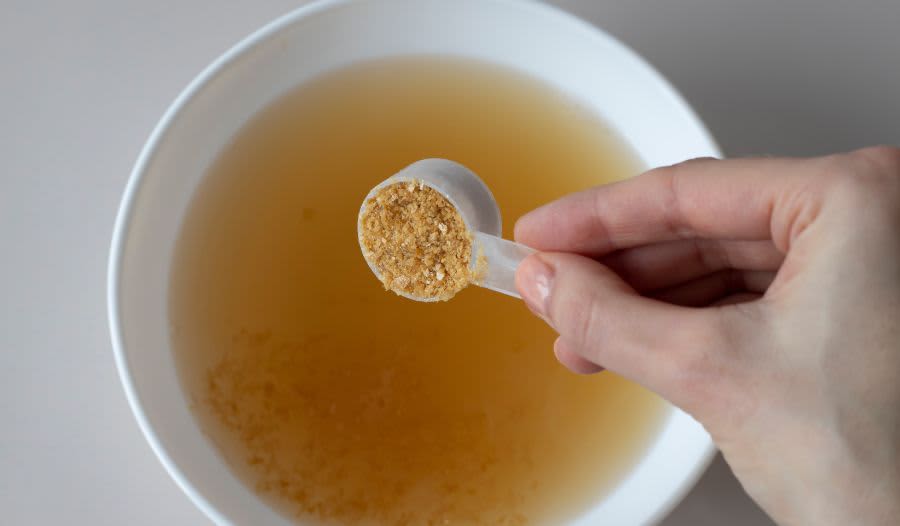
 Table of Contents