Key Takeaways
- The Impact: Chronically high cortisol levels may disrupt sleep, drive weight changes, and leave you feeling "wired but tired."
- The Lifestyle Fix: Prioritize sleep, actively manage stress, and stabilize blood sugar by avoiding refined carbs and late-night eating.
- The Baseline Supplements: Daily fish oil and nighttime magnesium can help manage cortisol levels while improving sleep quality.
- Add an Adaptogen for Extra Support. Ashwagandha for chronic stress, Rhodiola for acute burnout, or Black Seed Oil for metabolic support.
Introduction
Cortisol is a critical hormone produced by the adrenal glands. It plays a key role in helping us respond to stress. Cortisol is a central factor in the “fight-or-flight” response, mobilizing energy to protect us from danger. Cortisol raises blood sugar and blood pressure, increases alertness, and temporarily diverts resources away from digestion, immune function, and tissue repair so the body can respond to a real or perceived threat.
What Is High Cortisol?
When cortisol remains chronically elevated, it places the body in a constant stress state. Over time, this can disrupt nearly every major system, contributing to:
- Irritability and low mood
- Insomnia and poor sleep quality
- Memory and concentration problems
- Accelerated aging and impaired healing
- Blood sugar instability
- Challenges in maintaining metabolic, cardiovascular, bone, and cognitive health
- Weight gain, especially around the abdomen, face, and upper back
- Moon face, also called “cortisol face,” refers to the rounded facial appearance linked to excess cortisol.
One of the most common complaints with high cortisol is the feeling “wired but tired.” High cortisol levels can also lead to frequent infections, slow wound healing, and, over time, both muscle wasting and bone loss.
High cortisol is typically measured through blood or saliva testing. If you suspect elevated cortisol levels, consult a qualified health care professional for proper testing and diagnosis.
What Causes High Cortisol?
High cortisol most commonly results from chronic lifestyle stressors, including ongoing psychological or emotional stress, poor or insufficient sleep, blood sugar instability, and excess caffeine or stimulant use. Another factor linked to high cortisol is overtraining or inadequate recovery.1
There are also some medical causes of high cortisol, including prolonged use of corticosteroid medications (such as prednisone) and Cushing’s syndrome, a condition caused by tumors of the pituitary or adrenal glands that lead to excessive cortisol production.
Lifestyle Factors Affecting Cortisol
Because chronic stress and dietary factors are the most common drivers of excess cortisol, supporting healthy cortisol levels centers on effective stress management through lifestyle, diet, and targeted supplementation to reduce stress and improve metabolic health.
Key lifestyle strategies include regular physical activity and practices that calm the nervous system, such as quality sleep, deep breathing, meditation, and prayer. These approaches activate the “relaxation response,” which counteracts the stress response. Effective stress management also requires avoiding maladaptive coping behaviors such as smoking (including vaping), excessive alcohol use, drug abuse, and other harmful habits.2-4
Diet also plays a critical role in cortisol balance. Stabilizing blood sugar is essential, as rapid drops in blood glucose trigger cortisol release to restore levels. Preventing blood sugar spikes and crashes begins with avoiding refined sugars and excessive carbohydrates, particularly sugary beverages, desserts, and refined foods such as white bread, pasta, pastries, and chips.5
Additionally, eating late at night can disrupt circadian rhythms and provoke cortisol spikes and should be avoided.6
Supplements to Support Cortisol Balance
There are many dietary and herbal supplements that help people to handle stress better. To narrow the discussion, I will focus on those with confirmed cortisol-lowering effects. Before we discuss those with the most significant impact on cortisol levels, I want to highlight the overall benefits of two popular dietary supplements on stress and cortisol levels: fish oils and magnesium.
Fish Oil
Fish oils containing the long-chain omega-3 fatty acids EPA and DHA have been shown to help the brain handle stress better. In some of these studies, EPA+DHA supplementation resulted in reduced cortisol secretion, especially in people with elevated psychological stress. Recommended intake is approximately 1,200 mg of the combined amount of EPA+DHA daily for general support for health.7-10
Magnesium
Magnesium supplementation has also been shown to lower cortisol levels.11 Other studies show magnesium exerts significant calming effects and improves sleep quality.12,13 One of the best stress-busting habits to get into is getting a good night’s sleep, handling stress better, and helping balance cortisol levels by taking 350 to 500 mg of magnesium at night. Consider powdered drink versions that supply easily absorbed forms like magnesium citrate, malate, or bisglycinate.
Adaptogens To Support Cortisol Balance
An adaptogen is a botanical medicine that helps us adapt to (cope with) stress as well as restore vitality, increase feelings of energy, and improve mental and physical performance. The most notable adaptogens that lower cortisol levels are ashwagandha (Withania somnifera), rhodiola (Rhodiola rosacea), and black seed oil (Nigella sativa). Let’s look at each one and its effects on cortisol, followed by some guidelines in helping you make the best choice.
Ashwagandha (Withania somnifera)
Ashwagandha, a cornerstone in traditional Ayurvedic medicine, is among the most extensively studied adaptogens for stress support. Most research has focused on standardized extracts, e.g., KSM-66® (1.5% withanolides) and Sensoril® (10% withanolides). Multiple randomized, placebo-controlled trials show that ashwagandha supplementation significantly lowers cortisol while improving sleep quality, mood, and perceived stress.
Across studies, daily supplementation has consistently supported healthy salivary cortisol levels. In addition to lowering cortisol, ashwagandha has been shown to increase circulating DHEA, supporting a more favorable adrenal hormone balance.14-17
Beyond stress reduction, ashwagandha is supported by a robust body of double-blind human clinical research demonstrating benefits in:
- Sleep quality and recovery, including improved sleep onset and duration
- Physical performance and vitality, with improvements in strength, endurance, and energy
- Cognitive function and mood, improved focus, and enhanced quality of life
For best results, use a clinically validated extract such as KSM-66® or Sensoril®, and follow label directions as they are consistent with studied doses. Typically, if taking ashwagandha once daily, it is recommended to take it 30–60 minutes before bedtime. The most popular dosage schedule is a split dosage of taking it in the morning and evening. Generally, ashwagandha is not taken before intense physical or cognitive activity, as it can feel calming.
Rhodiola rosea (Arctic Root)
Rhodiola rosea is a botanical adaptogen traditionally used in cold, high-altitude regions of Eastern Europe and Scandinavia to enhance resilience to physical and mental stress. Unlike some adaptogens that act gradually, rhodiola appears particularly effective during acute stress, producing relatively rapid improvements in perceived calm, mental clarity, and stress tolerance.18
Human studies show that both single-dose and longer-term supplementation with standardized rhodiola extracts can mitigate stress-related declines in cognitive and physical performance. In a double-blind, placebo-controlled study of adults with prolonged everyday exhaustion, supplementation with 576 mg/day of rhodiola extract for four weeks significantly improved fatigue scores and mental performance compared with placebo. This study also demonstrated a reduction in elevated morning cortisol, indicating improved regulation of the stress response.19
Across clinical trials, rhodiola supplementation has been associated with significant support for healthy cortisol levels.18-21 Rhodiola acts more as a stress buffer, reducing the magnitude of cortisol spikes in response to acute stress rather than lowering high cortisol levels due to chronic stress.
Additional studies show that rhodiola taken prior to exercise can enhance endurance and delay fatigue, supporting its role in stress-induced performance decline.22 Overall, improvements in mood, perceived stress, and mental performance represent the most consistently supported benefits of rhodiola in the clinical literature.
Generally, with rhodiola, if taking it once daily, the dosage is taken in the morning. Twice daily dosage is usually in the morning and afternoon. And rhodiola can also be taken 30 to 60 minutes before a stressful event or demanding task.
Black Seed Oil (BSO)
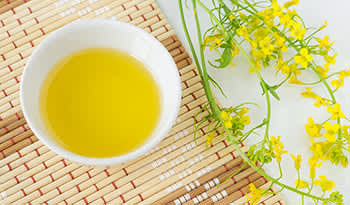
Black seed oil (BSO) is derived from the seeds of Nigella sativa, a flowering plant native to Southwest Asia, the Middle East, and the Mediterranean. It has a long history of use in traditional medical systems with indications consistent with other adaptogens. And modern research has shown it fits the definition of an adaptogen due to its ability to modulate stress pathways, support resiliency and immune function, and improve metabolic regulation.23,24
Human and experimental evidence indicate that black seed oil can significantly reduce elevated cortisol levels. In one double-blind, placebo-controlled human clinical trial, subjects were given either 500 mg/day of placebo or ThymoQuin®, a black seed oil standardized to 3% thymoquinone and ≤2% free fatty acids. Compared with placebo, ThymoQuin® supplementation resulted in a significant reduction in salivary cortisol levels, a magnitude greater than that reported for many other adaptogens.25
Participants receiving ThymoQuin also experienced enhanced immune resilience and improved overall well-being, effects believed to be related in part to the substantial reduction in cortisol. These findings support black seed oil’s role as a potent modulator of the stress response, particularly when cortisol is elevated.
Beyond stress and cortisol regulation, black seed oil is supported by a growing body of double-blind human clinical research demonstrating benefits in:
- Metabolic health and weight management
- Blood sugar control and insulin sensitivity
- Immune system balance and respiratory health
A caveat is that not all black seed oil products are created equal. To experience the full spectrum of benefits, choose a BSO that is cold-pressed from freshly harvested Nigella sativa seeds and meets pharmaceutical standards such as the USP monograph for BSO, e.g., like ThymoQuin®. These products are standardized for thymoquinone content (3%) and low levels of free fatty acids (ideally less than 2%) for improved stability and bioactivity.
Intake for a high-quality black seed oil is generally 500 mg once or twice daily with food to enhance the absorption of its fat-soluble components.
Choosing the Right Adaptogen
When choosing an adaptogen, there are other considerations beyond lowering cortisol.
Ashwagandha (Withania somnifera)
- Effect on Cortisol Levels:
- Lowers elevated cortisol and improves diurnal balance
- Increases stress resilience
- Best Choice When the Primary Need Is…
- Chronic stress
- Poor sleep quality
- Low energy with high stress load
- Differentiating Strengths:
- Improves sleep and recovery
- Raises DHEA
- Supports mood and quality of life
- Strong evidence in long-term stress
Rhodiola rosea
- Effect on Cortisol Levels:
- Blunts stress-induced cortisol spikes
- Modest effect on baseline cortisol
- Best Choice When the Primary Need Is…
- Mental fatigue and burnout
- Acute psychological or physical stress
- Cognitive performance under pressure
- Differentiating Strengths: Fast-acting adaptogen; improves focus, stamina, and mental endurance; ideal for situational stress
Black Seed Oil (BSO)
- Effect on Cortisol Levels:
- Normalizes HPA-axis activity
- Lowers elevated baseline cortisol levels
- Best Choice When the Primary Need Is…
- Metabolic stress and insulin sensitivity
- Immune stress and frequent illness
- Stress with inflammation or blood sugar instability
- Differentiating Strengths:
- Broadest systemic adaptogen
- Supports metabolic health
- GLP-1 activity
- AMPK activation
- Immune balance
- Stress hormone support
Frequently Asked Questions About High Cortisol Supplements
What are the most effective supplements for high-cortisol?
The most clinically supported high cortisol supplements include foundational daily nutrients like fish oil (EPA and DHA) and magnesium, as well as targeted botanical adaptogens such as ashwagandha, rhodiola rosea, and black seed oil.
Do high cortisol supplements actually work?
Yes, especially when paired with stress management and a healthy diet. Clinical trials show that foundational high cortisol supplements like magnesium and fish oil can safely lower cortisol levels. Meanwhile, powerful adaptogens like Ashwagandha and Black Seed Oil have been shown to significantly reduce elevated cortisol levels in chronically stressed individuals.
How do I choose the right adaptogen to lower my cortisol?
When adding an adaptogenic high cortisol supplement to your routine, you should match it to your specific stress profile:
- Ashwagandha: Best for chronic stress, poor sleep, and low energy.
- Rhodiola rosea: Best for acute stress, mental fatigue, and situational burnout.
- Black Seed Oil (BSO): Best for stress that is accompanied by blood sugar instability, metabolic issues, or weakened immunity.
When should I take my high cortisol supplements?
Timing depends on the specific supplement. Magnesium and Ashwagandha are generally best taken at night (or 30–60 minutes before bed) to support sleep quality and calm the nervous system. Rhodiola is fast-acting and is best taken in the morning or early afternoon to prevent sleep disruption. Fish oil and Black Seed Oil are fat-soluble and should typically be taken with meals to improve absorption.
Final Comments
Remember, cortisol itself is not “bad.” It is a critical hormone that has many beneficial and important effects. The key is keeping cortisol levels within the healthy range. Both high and low cortisol can impair health and resilience. The goal is balance—supporting the body’s ability to respond to stress appropriately and recover afterward.
References:
- Jones C, Gwenin C. Cortisol level dysregulation and its prevalence-Is it nature’s alarm clock? Physiol Rep. 2021 Jan;8(24):e14644.
- Moyers SA, Hagger MS. Physical activity and cortisol regulation: A meta-analysis. Biol Psychol. 2023 Apr;179:108548.
- Sivakumaran K, Ritonja JA, Palmer N, et al. Effect of sleep disturbance on biomarkers related to the development of adverse health outcomes: A systematic review of the human literature. J Sleep Res. 2023 Jun;32(3):e13775.
- Yadav RK, Magan D, Mehta N, et al. Efficacy of a short-term yoga-based lifestyle intervention in reducing stress and inflammation: preliminary results. J Altern Complement Med. 2012 Jul;18(7):662-7.
- Lopez-Cepero A, Rosal MC, Frisard C, Person S, Ockene I, Tucker KL. Changes in Glycemic Load Are Positively Associated with Small Changes in Primary Stress Markers of Allostatic Load in Puerto Rican Women. J Nutr. 2020 Mar 1;150(3):554-559.
- Uçar C, Özgöçer T, Yıldız S. Effects of late-night eating of easily-or slowly-digestible meals on sleep, hypothalamo-pituitary-adrenal axis, and autonomic nervous system in healthy young males. Stress Health. 2021 Oct;37(4):640-649
- Madison AA, Belury MA, Andridge R, et al. Omega-3 supplementation and stress reactivity of cellular aging biomarkers: an ancillary substudy of a randomized, controlled trial in midlife adults. Mol Psychiatry. 2021;26(7):3034-3042.
- Jahangard L, Hedayati M, Abbasalipourkabir R, et al. Omega-3-polyunsaturated fatty acids (O3PUFAs) reduce morning cortisol secretion in nurses with occupational burnout: a double-blind, placebo-controlled study. J Psychiatr Res. 2019;115:104384. Omega-3 supplementation lowered morning cortisol concentrations compared with placebo.
- Hellhammer J, Schubert M. The physiological basis of the cortisol-lowering effects of omega-3 fatty acids: salivary cortisol responses in stress studies. Hum Psychopharmacol. 2015;30(2):117-128.
- Thesing CS, Bot M, Milaneschi Y, et al. Association of omega-3 polyunsaturated fatty acid levels with HPA-axis markers including cortisol in humans. Psychoneuroendocrinology. 2018;88:137-145.
- Carter JR, Schwartz CE, Yang H, Joyner MJ. Fish oil and neurovascular reactivity to mental stress in humans. Am J Physiol Regul Integr Comp Physiol. 2013 Apr 1;304(7):R523-30.
- Schutten JC, Joris PJ, Minović I, et al. Long-term magnesium supplementation improves glucocorticoid metabolism: a post-hoc analysis of an intervention trial. Clin Endocrinol 2021;94(2):150-157.
- Boyle NB, Lawton C, Dye L. The Effects of Magnesium Supplementation on Subjective Stress: A Systematic Review. Nutrients. 2017 Apr 26;9(5):429.
- Schuster J, Cycelskij I, Lopresti A, Hahn A. Magnesium Bisglycinate Supplementation in Healthy Adults Reporting Poor Sleep: A Randomized, Placebo-Controlled Trial. Nat Sci Sleep. 2025 Aug 30;17:2027-2040.
- Akhgarjand C, Asoudeh F, Bagheri A, Kalantar Z, Vahabi Z, Shab-Bidar S, Rezvani H, Djafarian K. Does Ashwagandha supplementation have a beneficial effect on the management of stress? A systematic review and meta-analysis of randomized controlled trials. Phytother Res. 2022 Nov;36(11):4115-4124
- Yenisetti SC, Manjunath MJ, Muralidhara C. Neuropharmacological Properties of Withania somnifera - Indian Ginseng: An Overview on Experimental Evidence with Emphasis on Clinical Trials and Patents. Recent Pat CNS Drug Discov. 2016;10(2):204-215
- Cheah KL, Norhayati MN, Husniati Yaacob L, Abdul Rahman R. Effect of Ashwagandha (Withania somnifera) extract on sleep: A systematic review and meta-analysis. PLoS One. 2021 Sep 24;16(9):e0257843.
- Ivanova Stojcheva E, Quintela JC. The Effectiveness of Rhodiola rosea L. Preparations in Alleviating Various Aspects of Life-Stress Symptoms and Stress-Induced Conditions-Encouraging Clinical Evidence. Molecules. 2022 Jun 17;27(12):3902.
- Olsson EM, von Schéele B, Panossian AG. A randomised, double-blind, placebo-controlled, parallel-group study of the standardised extract shr-5 of the roots of Rhodiola rosea in the treatment of subjects with stress-related exhaustion. Planta Med. 2009 Feb;75(2):105-12.
- Cropley M, Banks AP, Boyle J. The Effects of Rhodiola rosea L. Extract on, Stress, Cognition and Other Mood Symptoms. Phytother Res. 2015 Dec;29(12):1934-9.
- Amsterdam JD, Panossian AG, et al. Rhodiola rosea L. as a putative botanical antidepressant. Phytomedicine. 2016;23(7):770-783. doi:10.1016/j.phymed.2016.02.009.
- Tinsley GM, Jagim AR, Potter GDM, Garner D, Galpin AJ. Rhodiola Rosea as an Adaptogen to Enhance Exercise Performance: A Review of the Literature. Br J Nutr. 2023 Aug 29:1-27.
- Ferizi R, Ramadan MF, Maxhuni Q. Black Seeds (Nigella sativa) Medical Application and Pharmaceutical Perspectives. J Pharm Bioallied Sci. 2023 Apr-Jun;15(2):63-67.
- Adam SH, Abu IF, Kamal DAM, Febriza A, Kashim MIAM, Mokhtar MH. A Review of the Potential Health Benefits of Nigella sativa on Obesity and Its Associated Complications. Plants (Basel). 2023 Sep 8;12(18):3210.
- Talbott SM, Talbott JA. Effect of ThymoQuin Black Cumin Seed Oil as a Natural Immune Modulator of Upper-Respiratory Tract Complaints and Psychological Mood State. Food Sci Nutr Res. 2022; 5(1): 1-6.
DISCLAIMER:
These statements have not been approved by the Food and Drug Administration. These products are not intended to diagnose, treat, cure or prevent disease.

























































 Table of Contents