When it comes to menopause, estrogen unequivocally takes center stage.
For a good cause, too. The sex hormone, which we often unwittingly depend on for everything from high productivity to a luminous complexion, goes haywire during perimenopause, or the years preceding your period’s grand finale. With its decline comes a host of woes, including abnormal vaginal bleeding, bloating, brain fog, and fatigue—to name merely four out of the 30+ menopause symptoms that have been identified thus far.
And yet, waning estrogen levels aren’t the only culprit behind those crying spells and heart palpitations: Fluctuating progesterone wreaks just as much hormonal havoc as estrogen, follicle-stimulating hormone (FSH), inhibin, cortisol, testosterone, and more.
To this end, progesterone cream, as a form of hormone replacement therapy (HRT), is increasingly used to mitigate menopause’s most troublesome symptoms, particularly since recent research reveals that HRT may boast more health benefits than previously known.
But what is progesterone cream, really? Might it be right for you? And what can you do to nourish hormone harmony naturally?
Let’s find out.
What Is Progesterone?
Progesterone is one of the two primary sex hormones women possess (yes, men produce progesterone, too).
In women, progesterone is chiefly generated in the ovaries (specifically by a gland known as the corpus luteum) and the adrenal cortex, or the outer region of the adrenal glands. Its main claim to fame, if you will, is the reproductive support it offers, from moderating your menstrual cycle to readying your uterine lining for implantation and maintaining a healthy pregnancy.
Progesterone’s powers, however, go well beyond its capacity to nurture a little one and, later, lactation. Colloquially dubbed the “happy hormone,” it plays a valuable part in:
- Preserving immunity (and subduing inflammation)
- Shielding breast health
- Encouraging a more peaceful state of mind by dialing down anxiety, fostering resilience, and enhancing your overall mood
- Calming the nervous system
- Offering neuroprotective effects
- Staving off endometriosis
- Boosting bone health
- Enriching thyroid function
- Cultivating quality, restful sleep
Like many things in life—including collagen synthesis and cognition—progesterone production slows with age. This is especially true during perimenopause and menopause, when your ovaries reach their “golden age” of retirement and stop manufacturing these hormones as abundantly as they once did. In short, progesterone, right alongside estrogen (and other hormones), vacillates wildly during this time before taking a nosedive.
What Are the Effects of Low Progesterone?
While perimenopause is filled with hormonal peaks and valleys (so to speak), progesterone and estrogen tend towards a major descent. (Following the cessation of your period, your progesterone levels will plummet to almost zero, while the foremost estrogen in your body will shift from estradiol to estrone.)This is when those less-than-pleasant symptoms associated with this era start to surface.
In addition to the hallmark side effects of menopause—such as irregular periods and fatigue—you may notice a drop in progesterone through:
- Unwanted weight gain
- Heightened anxiety (and even panic)
- Increased irritability
- Depression
- Sleep disturbances, such as insomnia and restlessness
- Fluid retention and menopausal bloating
- Dry, thinning hair
- Disinterest in sex
- Headaches and migraines
- Ovarian cysts and fibroids
- Cognitive changes, including memory impairment, mental lethargy, and difficulty concentrating
- Adult acne
All of this may be compounded by the impact of oscillating estrogen levels, which may spur, among other issues, vasomotor symptoms like hot flashes and night sweats, tender breasts, painful sex, and brittle bones. At the same time, progesterone may, initially and persistently, fall more precipitously than estrogen, which can result in estrogen dominance—a condition that shares several signs with perimenopause itself, including mood changes, sleeplessness, and unpredictable periods.
This is where progesterone cream comes in, not as a panacea for menopause’s principal symptoms but as a method to assuage them… and render life that much more enjoyable.
What Is Progesterone Cream?
Progesterone cream is precisely as it sounds: it’s a topical emulsion or gel that delivers progesterone to your bloodstream via absorption through your skin. It is derived from soybeans, fenugreek, and wild yams, all of which contain diosgenin—a plant-based compound that can be chemically transformed into progesterone. Once it’s absorbed, the bioidentical hormone is stowed away in your adipose tissues and utilized when your body (and brain) needs it.
What Are Some Progesterone Cream Benefits?
Given progesterone’s potent effects throughout the body, it’s used for matters besides menopausal symptoms: Not only may it help support healthy fertility, but the fat-soluble cream might also alleviate pre-menstrual symptoms.
And yet, its real magic is illustrated in its application as hormone replacement therapy during perimenopause, menopause, and post-menopause. Indeed, research demonstrates that progesterone cream has the potential to:
- Promote hormonal stability
- Revitalize skin by stepping up firmness and elasticity, and minimizing fine lines and wrinkles
- Support bone health
- Support healthy verbal and visual memory (when paired with estrogen)
- Support libido
- Support a healthy mood and take the edge off anxiety
- Support sleep quality and duration
- Support healthy body temperature and offer a respite from hot flashes and night sweats
Intrigued? Read on.
How Can You Get Progesterone Cream?
Progesterone cream is available both over-the-counter(OTC) and by prescription. Either offers a bevy of advantages, but some women may feel more comfortable getting guidance from a trusted healthcare professional. In fact, before embarking on any sort of hormone journey, it’s best to speak with your doctor to a) confirm that you don’t have any underlying health issues that may be prompting your symptoms, and b) assess your current hormone status.
If you elect to go for an OTC progesterone cream (which typically contains lower doses of progesterone than prescription products), ensure it’s made by a reputable brand and formulated with USP progesterone. This indicates the cream meets the requirements set forth by the United States Pharmacopeia in terms of potency, quality, and purity.
Prefer a prescription? Your gynecologist or naturopathic physician should be able to supply you with a dosage that aligns with where you stand hormonally—and what you hope to achieve with a cream.
How to Use Progesterone Cream
Progesterone cream is applied in the same manner as your everyday body lotion.
That said, where you apply it matters. Experts suggest applying it to thin-skinned areas on your:
- Neck
- Lower abdomen
- Inner lower arms
- Inner Thighs
It is best to rotate areas where you’ve applied the cream to avoid saturating the skin receptors, also known as “dermal fatigue.” The amount you use is also key. For menopausal symptoms, it’s usually advised to use 25 -50 mg (which is usually equivalent to ¼ to ½ teaspoon, or about the size of a dime) of cream in the evening because progesterone can be sedating in some women.
What Are the Risks of Progesterone Cream—and Is It Safe?
All told, progesterone cream is generally well-tolerated. It can, however, provoke side effects, such as:
- Skin irritation (acne, rashes, and itchiness)
- Fatigue
- Nausea
- Stomach cramps
- Back pain
- Dizziness
- Increased hunger and weight gain
- Vaginal spotting
Progesterone cream is also deemed safe for certain women. Those with progesterone-responsive breast cancer (or a history of breast cancer), blood clotting and bleeding issues, and/or seizures, though, may not be viable candidates for the cream; ditto for women who take blood thinners. Again, this underlines the importance of consulting with your physician before going down the progesterone cream path.
Is It Possible to Have Too Much Progesterone?
Absolutely. Consider PMS, when your progesterone levels skyrocket in the second half of your cycle. Similarly, an overabundance of progesterone—whether it’s due to hormone replacement therapy, ovarian cysts, or hormonal birth control—may manifest as:
- Agitation or anxiety
- Exhaustion
- Bloating and weight gain
- Weepiness and the blues
- Nausea
To this end, keep an eye on how you respond to progesterone cream, and alert your doctor if you experience any adverse side effects.
How Can You Nurture Progesterone During Perimenopause?
My advice? Think of progesterone cream (if it’s right for you) as a superior supplement that will augment a broader hormone-balancing wellness routine, much in the same way you might take a multivitamin to bolster the benefits you’ve already felt by adhering to a clean, smart eating regimen. Meaning: There are several strategies you can adopt to glide through menopause. These include:
Leveling up your supplement routine
Bear in mind that a handful of vitamins and minerals may help support healthy progesterone production in the body, such as:
- Magnesium, a marvelous mineral that also offers cardiovascular, bone, muscle, and nerve support
- Vitamin B, which can support estrogen metabolism and healthy hormone balance
- Zinc, a trace element that organically supports immune health and adrenal function (remember: some progesterone is generated by your adrenal cortex)
- Vitamin C, a powerhouse of a nutrient that also advocates for adrenal health while supporting healthy skin aging, and improving its texture and appearance
Elevating your GABA levels
Progesterone and GABA—or gamma-aminobutyric acid, a key neurotransmitter—have an intricate relationship, in that one of progesterone’s essential metabolites, allopregnanolone, may affect GABA function. This is paramount, as GABA has a hand in everything from supporting healthy sleep to tempering temporary feelings of fear and anxiety.
You may be able to naturally increase your GABA levels when progesterone drops through several fermented foods, such as miso, tempeh, and kimchi, as well as vegetables like Brussels sprouts, sweet potatoes, broccoli, cabbage, and cauliflower. Another option? Investing in a quality supplement.
Remaining mindful of your diet
Speaking of food: Your diet has a direct effect on many aspects of menopause, including your mood, weight, and mental and emotional durability. While no single food can turn up the volume on progesterone synthesis, a heap of eats may support its natural production and facilitate hormonal balance overall. These include phytoestrogens like flaxseeds, edamame, berries, and tofu, as well as phytoprogestins, or foods that have a progestogenic effect, such as kale, spinach, cherries, celery, parsley, olive oil, and apples (in sum, foods that possess kaempferol, apigenin, and luteolin, respectively).
Meanwhile, other foods may tone down estrogen dominance and precipitate a better ratio between estrogen and progesterone; these range from cabbage to walnuts.
Prioritizing stress-busting activities
Call it “the change,” “the positive pause,” your “second puberty”—no matter the moniker you use, the fact remains that the three stages of menopause (perimenopause, menopause, and post-menopause) are exceptionally trying for some women. Physiological changes, coupled with emotional challenges, mid-life concerns, and cognitive complications, can create a great deal of angst for even the most resilient among us.
And since stress triggers the release of cortisol—a hormone that may disrupt homeostasis and diminish progesterone production—managing it is substantially more critical than, well, nearly anything else. Whether you breathe a bit easier by engaging in a creative project, going for a run, or basking in the sun, be sure that it tops your to-do list…now, and throughout your coming decades.
References:
- Norberg J. It’s not all in your head: recognizing the 34 symptoms of perimenopause and menopause | WHA Blog. Women’s Healthcare Associates. Published August 16, 2024. https://www.whallc.com/gynecology/its-not-all-in-your-head-recognizing-the-34-symptoms-of-menopause/
- Peacock K, Ketvertis KM. Menopause. National Library of Medicine. Published 2023. https://www.ncbi.nlm.nih.gov/books/NBK507826/
- Perimenopause and Anxiety. Hopkinsmedicine.org. Published May 13, 2025. https://www.hopkinsmedicine.org/health/wellness-and-prevention/perimenopause-and-anxiety
- Can hormone therapy improve heart health in menopausal women? Penn State Health News. Published April 22, 2025. https://pennstatehealthnews.org/2025/04/can-hormone-therapy-improve-heart-health-in-menopausal-women/
- Cable JK, Grider MH. Physiology, Progesterone. PubMed. Published May 1, 2023. https://www.ncbi.nlm.nih.gov/books/NBK558960/
- Nagy B, Szekeres-Barthó J, Kovács GL, et al. Key to Life: Physiological Role and Clinical Implications of Progesterone. International Journal of Molecular Sciences. 2021;22(20):11039. doi:https://doi.org/10.3390/ijms222011039
- Hall OJ, Klein SL. Progesterone-based compounds affect immune responses and susceptibility to infections at diverse mucosal sites. Mucosal Immunology. 2017;10(5):1097-1107. doi:https://doi.org/10.1038/mi.2017.35
- Frye CA, Cleveland DM, Sadarangani A, Torgersen JK. Progesterone Promotes Anti-anxiety/Depressant-like Behavior and Trophic Actions of BDNF in the Hippocampus of Female Nuclear Progesterone Receptor, but Not 5α-Reductase, Knockout Mice. International Journal of Molecular Sciences. 2025;26(3):1173-1173. doi:https://doi.org/10.3390/ijms26031173
- Guennoun R. Progesterone in the Brain: Hormone, Neurosteroid and Neuroprotectant. Int J Mol Sci. 2020 Jul 24;21(15):5271. doi: 10.3390/ijms21155271. PMID: 32722286; PMCID: PMC7432434.
- Progesterone & Bone Health. Women in Balance Institute. https://womeninbalance.org/resources-research/progesterone-bone-health/
- Cleveland Clinic. Progesterone: Natural Function, Levels & Side Effects. Cleveland Clinic. Published December 29, 2022. https://my.clevelandclinic.org/health/body/24562-progesterone
- Haufe A, Leeners B. Sleep Disturbances Across a Woman's Lifespan: What Is the Role of Reproductive Hormones? J Endocr Soc. 2023 Mar 15;7(5):bvad036. doi: 10.1210/jendso/bvad036. PMID: 37091307; PMCID: PMC10117379.
- Cleveland Clinic. Perimenopause: Age, stages, signs, symptoms & treatment. Cleveland Clinic. Published August 8, 2024. https://my.clevelandclinic.org/health/diseases/21608-perimenopause
- Cleveland Clinic. Estrogen: Hormone, Function, Levels & Imbalances. Cleveland Clinic. Published August 2, 2022. https://my.clevelandclinic.org/health/body/22353-estrogen
- Can Menopause Cause Anxiety, Depression or Panic Attacks? Cleveland Clinic. https://health.clevelandclinic.org/is-menopause-causing-your-mood-swings-depression-or-anxiety
- Haufe A, Leeners B. Sleep Disturbances Across a Woman's Lifespan: What Is the Role of Reproductive Hormones? J Endocr Soc. 2023 Mar 15;7(5):bvad036. doi: 10.1210/jendso/bvad036. PMID: 37091307; PMCID: PMC10117379.
- Cleveland Clinic. Bloated Stomach: Causes, Tips to Reduce & When to be Concerned. Cleveland Clinic. https://my.clevelandclinic.org/health/symptoms/21740-bloated-stomach
- ND MJ. Progesterone For Menopause Relief. Women’s Health Network. Published November 4, 2019. https://www.womenshealthnetwork.com/menopause-and-perimenopause/progesterone-for-menopause-relief/
- Honigsmann, H. (2005). Effects and side-effects of 2% progesterone cream on the skin of peri- and postmenopausal women: results from a double-blind, vehicle-controlled, randomized study. British Journal of Dermatology. https://doi.org/10.1111/J.1365-2133.2005.06685.X
- Berent-Spillson, A., Briceno, E., Pinsky, A., Simmen, A., Persad, C. C., Zubieta, J.-K., & Smith, Y. R. (2015). Distinct cognitive effects of estrogen and progesterone in menopausal women. Psychoneuroendocrinology, 59, 25–36. https://doi.org/10.1016/j.psyneuen.2015.04.020
- Prior JC. Progesterone for treatment of symptomatic menopausal women. Climacteric. 2018 Aug;21(4):358-365. doi: 10.1080/13697137.2018.1472567. Epub 2018 Jul 2. PMID: 29962247.
- Prior, J.C., Cameron, A., Fung, M. et al. Oral micronized progesterone for perimenopausal night sweats and hot flushes a Phase III Canada-wide randomized placebo-controlled 4 month trial. Sci Rep 13, 9082 (2023). https://doi.org/10.1038/s41598-023-35826-w
- Progesterone Cream: Menopause Uses, Side Effects, Dosage. (2023, August 10). MedicineNet. https://www.medicinenet.com/progesterone_natural/article.htm
- Ovarian cysts: MedlinePlus Medical Encyclopedia. (n.d.). Medlineplus.gov. https://medlineplus.gov/ency/article/001504.htm
- Cleveland Clinic. (2023, January 16). Low Progesterone: Causes, Symptoms, Tests & Treatment. Cleveland Clinic. https://my.clevelandclinic.org/health/diseases/24613-low-progesterone
- Nathan, N., & Patel, P. (2021, November 10). Why Is Topical Vitamin C Important for Skin health? - Harvard Health. Harvard Health; Harvard Health. https://www.health.harvard.edu/blog/why-is-topical-vitamin-c-important-for-skin-health-202111102635
- Jewett, B. E., & Sharma, S. (2020). Physiology, GABA. PubMed; StatPearls Publishing. https://www.ncbi.nlm.nih.gov/books/NBK513311/
- Zhu, W., Huang, L., Cheng, H., Li, N., Zhang, B., Dai, W., Wu, X., Zhang, D., Feng, W., Li, S., & Xu, H. (2024). GABA and its receptors’ mechanisms in the treatment of insomnia. Heliyon, 10(23), e40665. https://doi.org/10.1016/j.heliyon.2024.e40665
- Cleveland Clinic. (2022, April 25). Gamma-Aminobutyric Acid (GABA). Cleveland Clinic. https://my.clevelandclinic.org/health/articles/22857-gamma-aminobutyric-acid-gaba
- Robert, M., Shankland, R., Bellicha, A., Kesse-Guyot, E., Deschasaux-Tanguy, M., Andreeva, V. A., Srour, B., Hercberg, S., Touvier, M., Leys, C., & Péneau, S. (2022). Associations between Resilience and Food Intake Are Mediated by Emotional Eating in the NutriNet-Santé Study. The Journal of Nutrition, 152(8), 1907–1915. https://doi.org/10.1093/jn/nxac124
- Greco S, Pellegrino P, Zannotti A, Delli Carpini G, Ciavattini A, Reis FM, Ciarmela P. Phytoprogestins: Unexplored Food Compounds with Potential Preventive and Therapeutic Effects in Female Diseases. Nutrients. 2021 Nov 30;13(12):4326. doi: 10.3390/nu13124326. PMID: 34959877; PMCID: PMC8705436.
DISCLAIMER:
These statements have not been approved by the Food and Drug Administration. These products are not intended to diagnose, treat, cure or prevent disease.


























































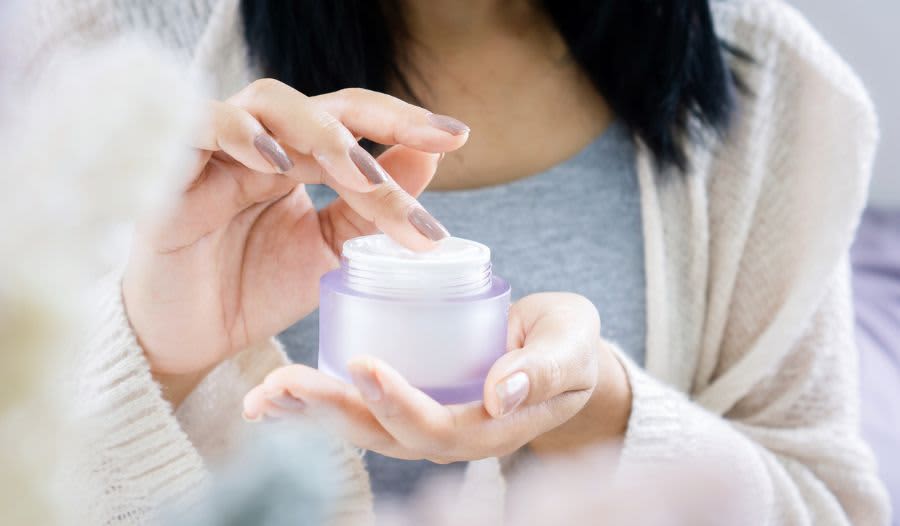
 Table of Contents